2026-10-04 LinkedIn
Low friction = low lock-in
I got addicted.
Not to a model. To Instinct and Muse, the assistants I run. I use them for many small actions every day. To give you a sense of scale: 339 messages with my assistants in the last 7 days, 219 of them mine. Busiest day hit 117. I tried to expand the blast radius to the kids, assistants all interconnected. No success yet. They just ignore the nudges for now.
But I find it very useful. That is the trap, actually.
The friction is so low you do not notice the walls going up. Every prompt, every correction, every “remember this” lives inside one vendor’s memory. Nobody signs up for lock-in. It just accumulates, one convenient interaction at a time, until switching feels impossible.
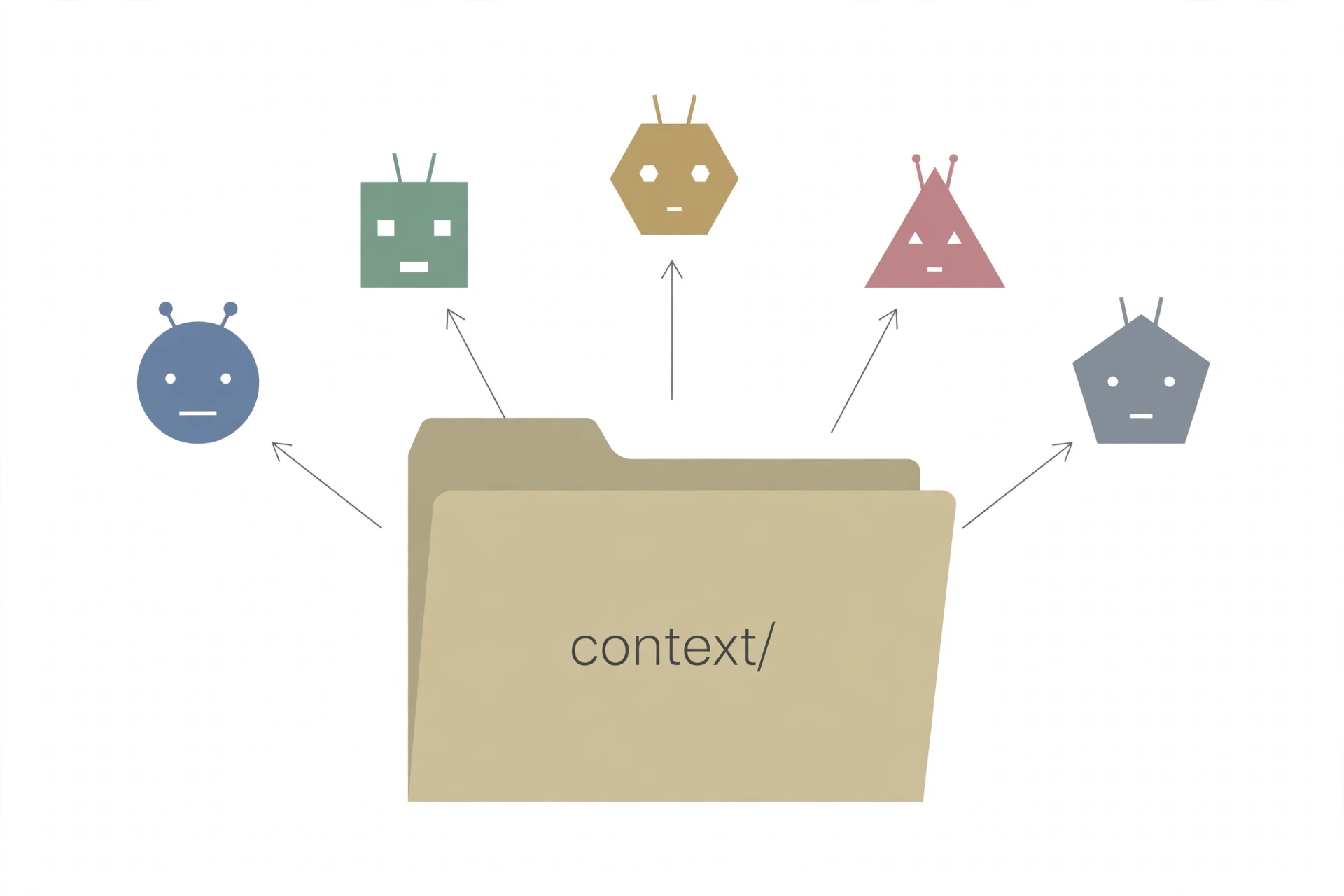
So I did the unsexy thing. My context lives in a GitHub repo: plain markdown files. Who I am, how I write, my projects, my repeatable workflows. Any agent that can read text can load it.
The same context runs on Instinct, Muse, GitHub Copilot, Perplexity, and Claude. No single vendor holds the keys to how I work. And because every interaction writes back into the same files, I learn from each one and automate what I can.
The effect is compound. You do not see it in one chat. But after a few weeks, the answers are clearly better than talking to these agents with no framework at all. Small, cheap, relevant context, loaded per task. Nothing dramatic, just steady.
In the next post I will show the basic move: a simple exercise where different prompts trigger different context files. Same principle, one level of abstraction up. Automation.
What is your lock-in test? If your assistant disappeared tomorrow, what would you actually lose?
#employablePM
Notes
- Amir dropped the “Here’s a confession:” opener when posting; the published post starts at “I got addicted.”
- Visual posted: media-generation-post-visual-lockin-0-cb7f1406-28a3-417c-8071-c24f51cbe5a9.webp
Originally posted on LinkedIn — read it there